Jubilee 2025 in Rome, also known as the Holy Year, is an event of great religious and cultural significance, celebrated every 25 years by the Catholic Church. The Jubilee 2025 was an extraordinary period of prayer and penance. It began on 24 December 2024 with the opening of the Holy Door at St Peter’s Basilica and ended on 6 January 2026, attracting millions of pilgrims from around the world.
What the Jubilee means
The term “Jubilee” derives from the Hebrew word “yobel,” which referred to the ram’s horn used to announce the sabbatical year. In Christian tradition, the Jubilee represents a time of reconciliation, spiritual renewal, and solidarity. The strongest symbolic moment is the opening of the Holy Doors in the four major basilicas of Rome, which in 2025 were opened on these dates:
- Basilica of St. Peter – December 24, 2024
- Basilica of St. John Lateran – December 29, 2024
- Basilica of St. Mary Major – January 1, 2025
- Basilica of St. Paul Outside the Walls – January 5, 2025
Crossing these doors symbolizes the passage to a renewed spiritual life.
The Jubilee was inaugurated by Pope Francis on 24 December 2024 and closed on 6 January 2026 with the ceremonial closing of the Holy Door at the Vatican.
What changed in Rome
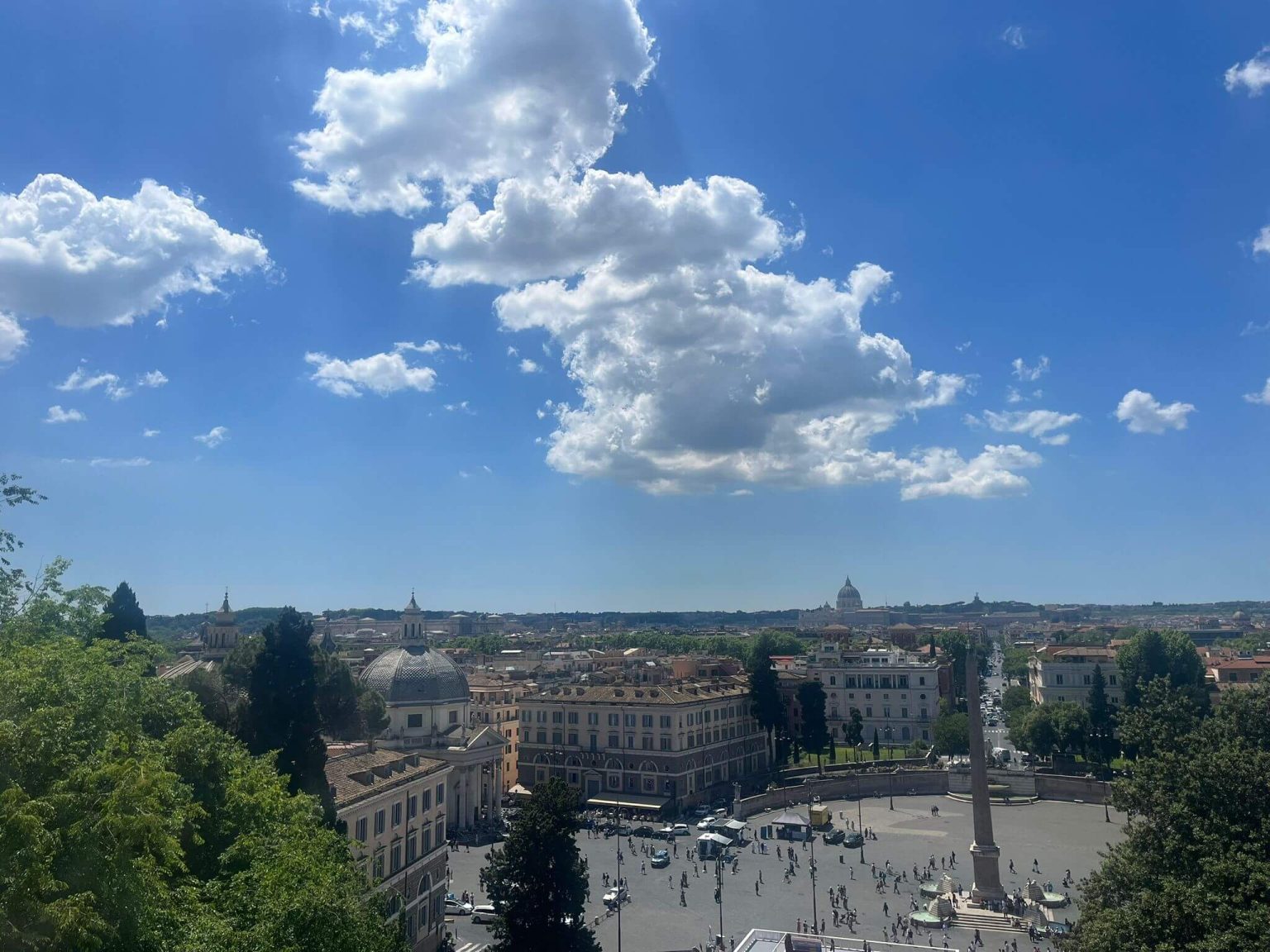
To accommodate the millions of expected pilgrims, Rome carried out urban and infrastructural works that have remained in place since:
- Urban redevelopment: One of the most notable projects is the pedestrianization of Piazza Pia, which connects Castel Sant’Angelo with St Peter’s Square, creating a safer and more welcoming area for visitors.
- Transportation improvements: Metro stations such as Ottaviano and Spagna have been renovated to facilitate travel. Additionally, new pedestrian pathways and services dedicated to pilgrims have been introduced in high-traffic areas.
- Facilities for pilgrims: New pedestrian routes, rest areas, and restroom facilities have been created in busy zones. Furthermore, a digital platform has been launched to allow pilgrims to book entry to St. Peter’s Basilica and check the schedule of celebrations.
- Cultural and religious events: The Jubilee calendar includes liturgical celebrations, exhibitions, and concerts, such as the Jubilee for the World of Communication, held from 24 to 26 January 2025 at St Peter’s Basilica.
These initiatives not only ensure an optimal welcome for pilgrims but also serve as an opportunity to enhance the city’s historical and cultural heritage.
Florence, the natural extension of the pilgrimage
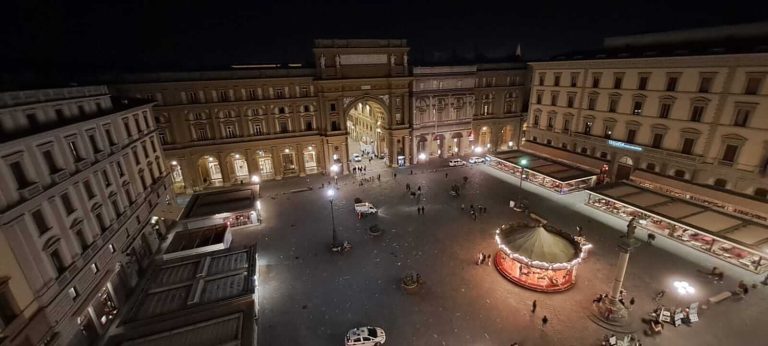
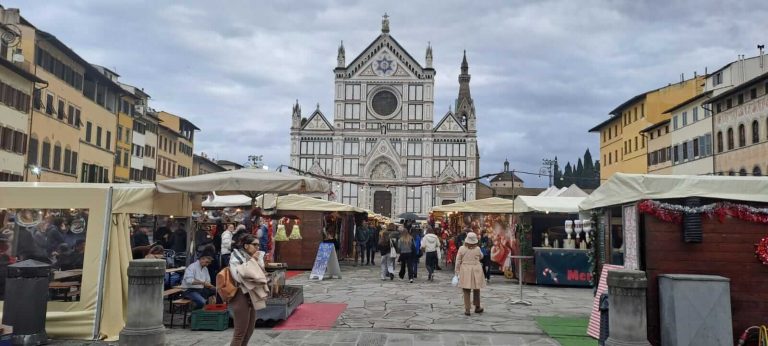
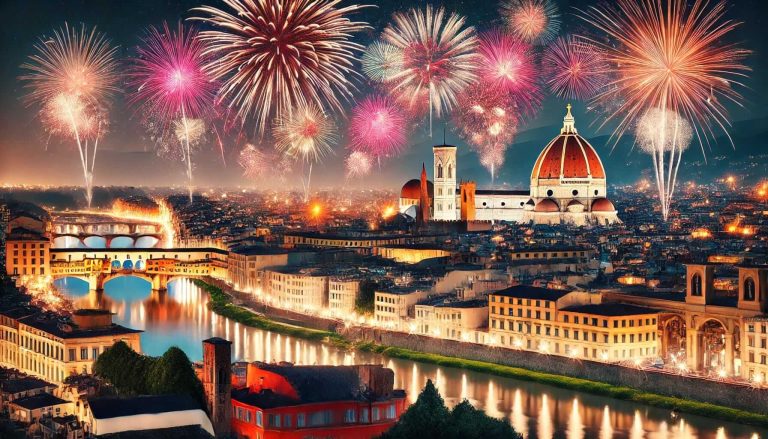
For pilgrims who wish to extend their spiritual and cultural journey, Florence is an ideal destination. As the cradle of the Renaissance, the city offers a unique artistic and historical heritage, featuring masterpieces such as the Cathedral, the Uffizi Gallery, and the Ponte Vecchio.
Additionally, Florence is easily accessible from Rome thanks to numerous transport options:
- Train: With Trenitalia and Italo, you can reach Florence from Rome in just 1 hour and 19 minutes, with frequent departures from Termini station.
- Bus: Companies like FlixBus and Itabus offer affordable connections between the two cities in approximately 3 hours and 15 minutes.
- Car: By driving along the A1 motorway, the journey between Rome and Florence takes about 2 hours and 40 minutes.
Here is the link to our Where We Are page to plan your next trip to Florence!
Staying at Marbò Florence means choosing a warm welcome and a strategic location to comfortably explore all the wonders of the city.
Jubilee 2025: what remains
The Jubilee 2025 was an extraordinary opportunity to experience profound moments of spirituality in Rome and to discover other Italian treasures such as Florence. The infrastructure built for the Holy Year is still there for anyone visiting the city today. Florence, easily reached, remains the perfect stop to enrich a journey through Italy: here you will find our one-day itinerary and our guide to the museums in Florence.